IV Therapy Certification Guide for LVNs
IV therapy certification guide for LVNs and RNs in California. Learn scope, training requirements, and how to choose a compliant course.
The Nursing Safety Net: Avoiding Legal Traps That Can Put Your License at Risk
California LVNs do not practice independently. The Board of Vocational Nursing and Psychiatric Technicians, also known as the BVNPT, publishes precedential decisions that help show how the Board reviews real scope-of-practice and professional conduct issues.
These decisions matter because they are not just stories from the past. They are examples of how nursing judgment, documentation, supervision, and scope of practice can affect a nurse’s license.
At Central Valley Medical Education, we believe strong education helps nurses recognize risk before it becomes a license problem. A good nurse does not just ask, “Can I do this skill?” A good nurse also asks, “Am I legally allowed to do this? Do I have the right order? Is this within my scope? Is the patient safe? Is the documentation clear?”
This article reviews selected BVNPT precedential decisions and the lessons California LVNs should understand before accepting assignments, performing procedures, or assuming something is “okay” just because an employer says it is.
Why These Legal Traps Matter
Many nurses get into trouble because they are trying to help. They want to be useful. They want to support the team. They want to keep their job. Sometimes they trust an employer, a manager, or a provider who says, “It’s fine. Everyone does it.”
That is where the danger begins.
Your license belongs to you. Your employer does not carry the risk the same way you do. If a procedure is outside your scope, if the documentation is poor, or if the patient is harmed, the Board may look directly at your actions and your judgment.
That is why scope-of-practice education is not boring paperwork. It is your professional safety net.
Trap #1: The “Med-Spa” Illusion
Case: BVNPT 2020-01, Anabelle Lobenaria Sia
The Sia decision involved LVN practice in an aesthetic and medical spa setting. This type of environment can create serious confusion for nurses because it may look casual, customer-focused, and business-driven instead of clinical.
The legal risk is assuming that a weekend course, an employer’s approval, or a provider being “available” automatically makes a procedure legal for an LVN.
That is a dangerous assumption.
Aesthetic procedures may involve medications, injections, assessment, treatment planning, and clinical decision-making. Those issues may cross into areas that are not within LVN scope. Just because a business offers a service does not mean every licensed staff member can legally perform it.
The license lesson: Never perform a procedure just because someone tells you it is allowed. Before you act, verify that the procedure is within LVN scope, properly supervised, supported by written policy, and legally appropriate.
Ask yourself:
- Is this procedure allowed within my license?
- Do I have the correct training?
- Is there a valid order?
- Is the supervision appropriate?
- Is there a written policy?
- Would I feel confident explaining my decision to the Board?
If the answer is unclear, stop and clarify before proceeding.
At CVME, we teach students to slow down, ask the right questions, and recognize when a procedure may place their license at risk.
Trap #2: The IV Medication Mistake
Case: BVNPT 2024-02, Renee Ann Lazcano
The Lazcano decision involved allegations that an LVN administered IV medications and mixed or administered chemotherapy and immunotherapy medications, which the Board found exceeded LVN scope.
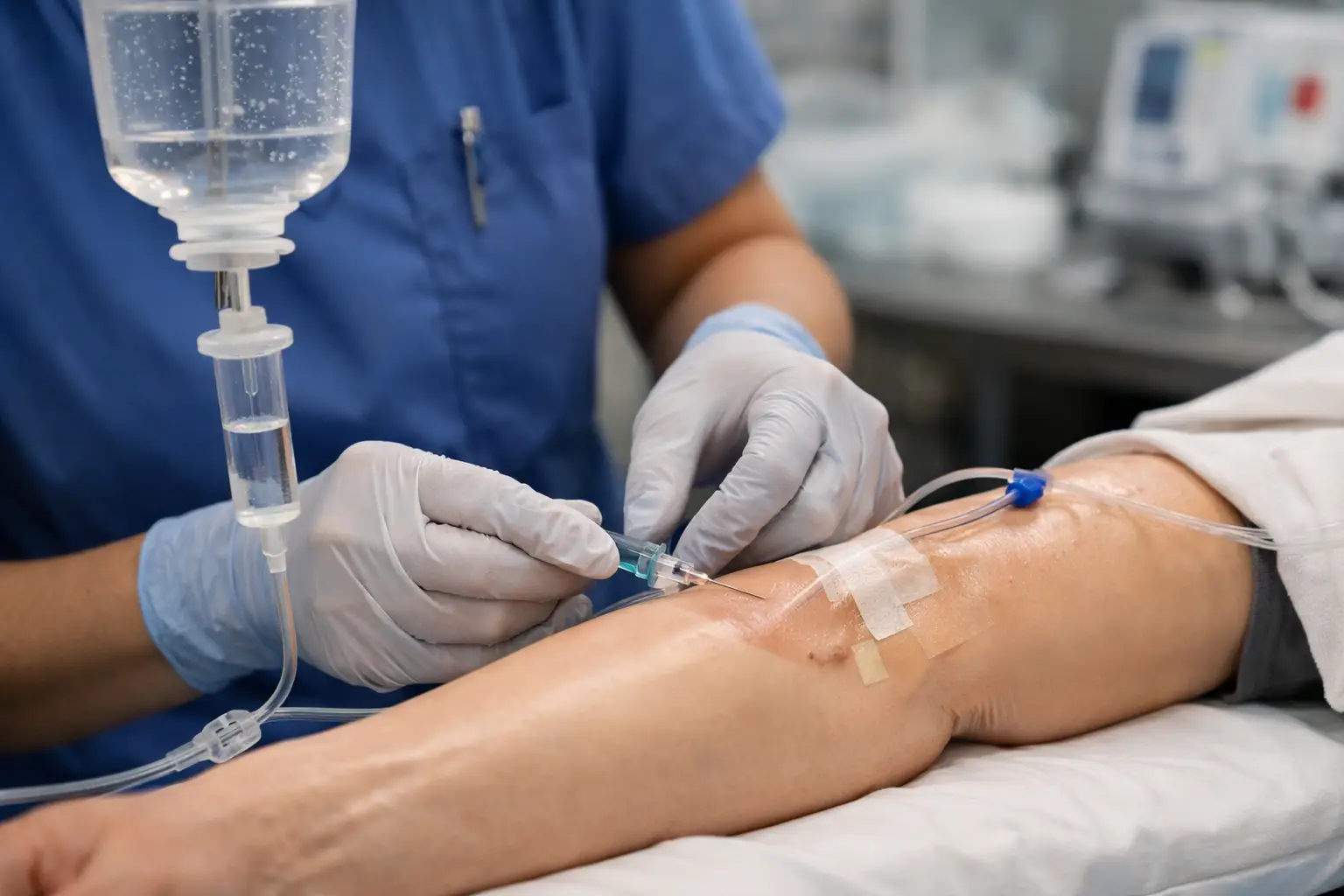
This is one of the most important lessons for any LVN taking an IV Therapy and Blood Withdrawal course.
The license lesson: IV certification does not mean an LVN can administer any medication through an IV line.
That is the part many nurses misunderstand.
IV certification is important, but it does not erase scope-of-practice limits. It does not turn an LVN into an RN. It does not authorize every IV medication. It does not mean a nurse can mix, prepare, or administer high-risk medications just because a provider gave an instruction.
California recognizes post-licensure certification for IV therapy, blood withdrawal, or both, but certification must still be understood within the boundaries of LVN scope, facility policy, supervision requirements, and patient safety.
At CVME, we do not just teach the “poke.” We teach the law, the clinical judgment, and the safety mindset behind IV therapy and blood withdrawal.
You need to know what you can do, what you cannot do, and when you must stop and clarify before touching the IV line.
That includes understanding the difference between a skill and a scope decision.
Starting an IV may be a technical skill. Hanging a medication may be a legal and clinical scope issue. Mixing a medication may raise another level of concern. Administering high-risk medication may be completely outside what an LVN is allowed to do.
Those differences matter.
A nurse who does not understand the difference may place the patient, the employer, and the license at risk.
Trap #3: The “I Wasn’t Working as a Nurse” Mistake
Case: BVNPT 2024-01, Benedicta Onoshoagbe Aguele
The Aguele decision is a powerful reminder that your license can be affected by conduct involving vulnerable people, even when you are not standing at the bedside in a traditional nursing role.
Some nurses believe their license is only at risk when they are clocked in as a nurse. That is not always true.
If a licensed nurse is involved in care, supervision, safety, documentation, or decision-making for vulnerable people, the Board may still review whether the nurse’s conduct shows professional judgment and fitness to practice.
The license lesson: Your nursing license is not just a work badge. It represents professional judgment, safety, trust, and accountability.
Being a nurse means your conduct matters in more than one setting.
This is especially important for nurses working in or around:
- Residential care facilities
- Assisted living settings
- Home care
- School settings
- Community programs
- Private-duty care
- Med-spa or wellness businesses
- Consulting roles
- Administrative or owner/operator roles
Even if the job title does not say “staff nurse,” your license may still follow you.
That means nurses must think carefully before accepting side jobs, management roles, consulting duties, or business opportunities involving patient care or vulnerable populations.
If your name, license, judgment, or decisions are connected to the situation, take it seriously.
Trap #4: The School and Medicinal Cannabis Confusion
Case: BVNPT 2021-01, Medicinal Cannabis Administration by LVNs in California Public Schools
The BVNPT issued a precedential decision addressing medicinal cannabis administration by LVNs in California public schools under specific facts and circumstances.
This does not mean every LVN can administer medicinal cannabis in every setting. The issue depends on legal authority, physician orders, documentation, school policy, and the specific situation involved.
That is where nurses can get trapped.
They hear one rule, one headline, or one example and then apply it too broadly.
School nursing, public policy, controlled substances, parental authorization, physician orders, and facility procedures can all overlap. When multiple rules overlap, nurses must be careful.
The license lesson: Do not rely on assumptions. If the order, policy, documentation, and legal authority are not clear, stop and verify before proceeding.
A good rule is simple: when the situation feels unusual, slow down and document your clarification process.
Ask:
- Is there a valid order?
- Is this allowed in this exact setting?
- Does the facility or school policy support it?
- Who is responsible for storage, handling, and documentation?
- Who do I notify if something is unclear?
- Is this within my role today?
Clarity protects patients. Clarity also protects nurses.
The Bigger Lesson: Your License Needs a Safety Net
The common thread in these cases is not that nurses are bad people. The common thread is that unclear scope, poor assumptions, weak supervision, and pressure from others can lead to serious license problems.
That is why nurses need a safety net.
Your safety net includes:
- Knowing your legal scope
- Understanding facility policy
- Reading orders carefully
- Documenting clearly
- Asking questions early
- Refusing unsafe or illegal assignments
- Escalating concerns through the proper chain of command
- Keeping your education current
Your license is too valuable to protect with guesswork.
Why Choose Central Valley Medical Education?
Central Valley Medical Education offers healthcare training designed to help students build safe, confident, and legally aware practice habits.
Our IV Therapy Certification California course is built for working LVNs who need IV and blood withdrawal training for licensure, employment, and safer clinical practice.
Students can also explore our full Central Valley Medical Education course catalog for additional healthcare training options, including certification courses for nurses and healthcare professionals.
For questions about enrollment, certificates, course policies, or class support, students may visit the CVME Help Desk.
Our goal is simple:
We help nurses practice safely, confidently, and within their legal scope.
Our training focuses on:
- IV Therapy and Blood Withdrawal skills
- California LVN scope-of-practice awareness
- Documentation and patient safety
- Recognizing red flags before they become license problems
- Knowing when to stop, clarify, and escalate
- Understanding the difference between skill ability and legal authority
- Building safer habits before entering high-risk clinical situations
This is not just about passing a class.
This is about protecting your patient, protecting your future, and protecting the license you worked so hard to earn.
Protect Your License. Strengthen Your Practice. Train with CVME.
Do not wait until a mistake becomes a Board issue.
Get trained. Get clear. Know your scope.
Register for the next IV Therapy and Blood Withdrawal course at Central Valley Medical Education.
Important Resource
Review the official BVNPT Precedential Decisions for current Board-published decisions.
Educational Disclaimer
This article is for educational purposes only and is not legal advice. Nurses should verify current scope-of-practice rules with the BVNPT, BRN, employer policy, facility policy, and legal counsel when appropriate.


