
Workplace Safety Training
OSHA 10 and 30 Hour
OSHA 10 and 30 Hour
Outreach Training
Construction & General Industry Courses
Choose OSHA 10-hour or 30-hour Outreach Training for Construction or General Industry, with English and Spanish options available.
Important:
OSHA identifies these programs as Outreach Training,
not professional certifications or licenses.
Successful completion of an authorized Outreach course
may result in an OSHA 10-hour or 30-hour course completion card.
Choose Your Training
OSHA 10-Hour and 30-Hour Courses
Select Construction or General Industry training and choose the language and course length that fits your needs.
Construction
OSHA 10-Hour Construction
Covers essential construction safety, fall prevention, PPE, and hazard awareness for entry-level workers.
$89
10 Hours • English
Enroll Now
10 Hours • English
Construcción
OSHA 10-Hour Construction (Spanish)
Versión en español del curso de 10 horas para la industria de la construcción — seguridad básica y prevención de riesgos.
$89
10 Horas • Español
Inscríbete Ahora
10 Horas • Español
General Industry
OSHA 10-Hour General Industry

Focuses on ergonomics, machine guarding, hazard communication, and workplace safety for non-construction settings.
$89
10 Hours • English
Enroll Now
10 Hours • English
Industria General
OSHA 10-Hour General Industry (Spanish)

Versión en español para empleados de industria general — seguridad ocupacional y comunicación de peligros.
$89
10 Horas • Español
Inscríbete Ahora
10 Horas • Español
Construction
OSHA 30-Hour Construction
More comprehensive construction safety training designed for supervisors and workers with safety responsibilities.
$159
30 Hours • English
Enroll Now
30 Hours • English
Construcción
OSHA 30-Hour Construction (Spanish)
Versión avanzada en español para supervisores y trabajadores con responsabilidades de seguridad en construcción.
$159
30 Horas • Español
Inscríbete Ahora
30 Horas • Español
General Industry
OSHA 30-Hour General Industry

More comprehensive workplace safety training for supervisors and workers with safety responsibilities in general industry settings.
$159
30 Hours • English
Enroll Now
30 Hours • English
Industria General
OSHA 30-Hour General Industry (Spanish)

Programa avanzado de 30 horas para supervisores y trabajadores con responsabilidades de seguridad en industria general.
$159
30 Horas • Español
Inscríbete Ahora
30 Horas • Español
OSHA Outreach Training Information
OSHA 10-hour training is generally intended for workers, while OSHA 30-hour training is more appropriate for supervisors or workers with safety responsibilities. Outreach Training is voluntary under federal OSHA, although some employers, states, municipalities, unions, or other organizations may require it. :contentReference[oaicite:1]{index=1}
Central Valley Medical Education
Workplace & Safety Training
Practical Safety Education for Employees & Organizations
Explore workplace safety courses covering hazard awareness, injury prevention, emergency preparedness, PPE, ergonomics, environmental hazards, and other important safety topics.
Build a Safer Workplace
Choose from individual workplace safety courses designed to strengthen awareness, reinforce safe practices, and help employees recognize common hazards in professional environments.
Available Courses
Workplace Safety Training Courses
Select a course below to review enrollment options.
Hazard Awareness
Asbestos Hazard Awareness
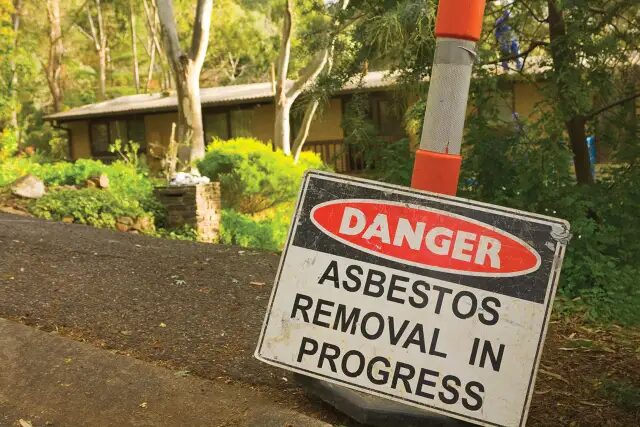
Understand asbestos exposure risks, regulations, and control methods to ensure a safe workplace environment.
Price: $30
Enroll Now
Exposure Prevention
Bloodborne Pathogens (BBP)

Learn exposure control, PPE use, and post-exposure steps to prevent transmission of infectious diseases.
Price: $30
Enroll Now
Injury Prevention
Back Safety and Injury Prevention

Reduce workplace back injuries by applying ergonomic lifting techniques and strengthening core stability.
Price: $30
Enroll Now
Workplace Hazards
Confined Spaces
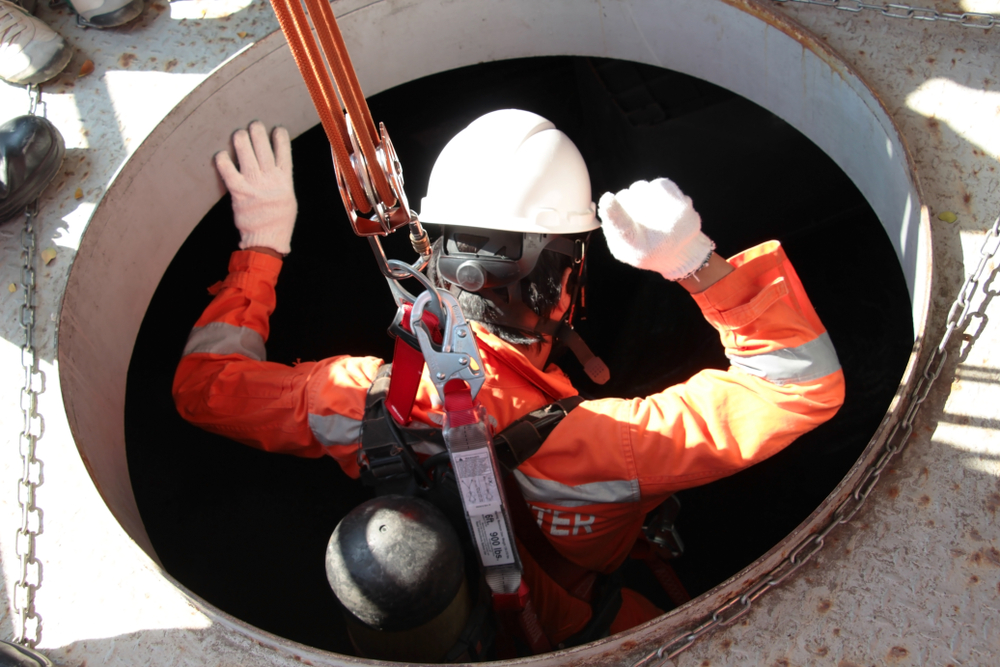
Learn OSHA standards for entry, permits, and monitoring to work safely in confined or restricted spaces.
Price: $30
Enroll Now
Transportation Safety
Driver Safety

Improve awareness, defensive driving, and accident prevention skills for company and personal vehicle operation.
Price: $30
Enroll Now
Electrical Safety
Electrical Safety: General Awareness
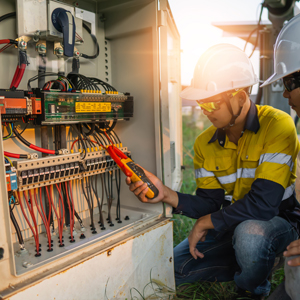
Teaches lockout/tagout, electrical hazards, and safe work practices to prevent electrical injuries.
Price: $30
Enroll Now
Emergency Preparedness
Emergency and Fire Preparedness
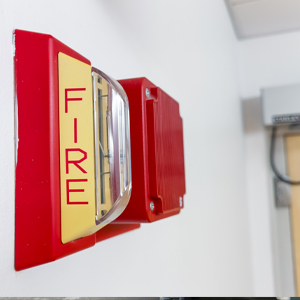
Train in evacuation routes, alarm systems, and emergency procedures for safe and efficient responses.
Price: $30
Enroll Now
Fire Safety
Fire Extinguisher Safety
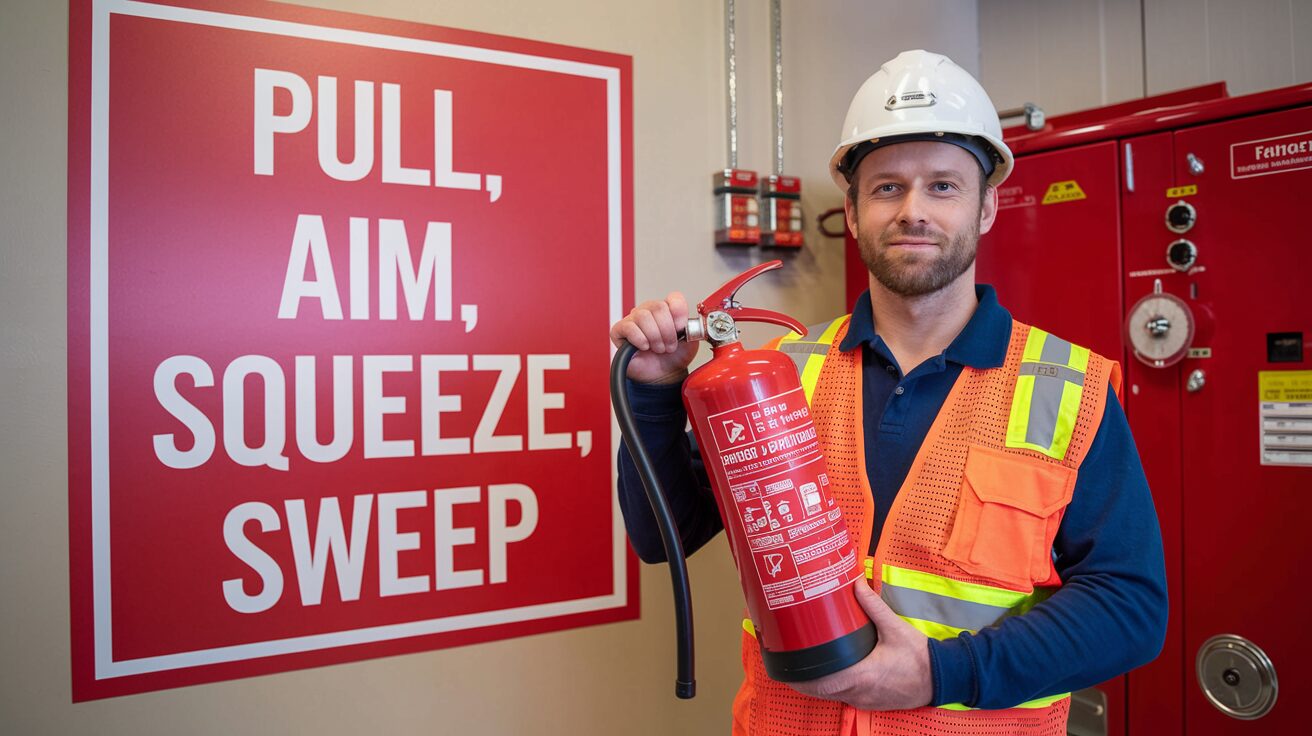
Hands-on training in PASS technique, extinguisher types, and workplace fire response procedures.
Price: $30
Enroll Now
Tool Safety
Hand and Power Tool Safety

Focuses on inspection, maintenance, and safe operation to prevent tool-related injuries at work.
Price: $30
Enroll Now
Chemical Safety
Hazard Communication

Understand OSHA's Hazard Communication Standard, SDS sheets, and labeling requirements for chemicals.
Price: $30
Enroll Now
Occupational Health
Hearing Conservation

Protect workers from noise-induced hearing loss through monitoring, PPE, and engineering controls.
Price: $30
Enroll Now
Environmental Safety
Heat Stress

Learn prevention, hydration strategies, and emergency response for heat-related illnesses in the workplace.
Price: $30
Enroll Now
Ergonomics
Industrial Ergonomics

Reduce strain injuries by applying ergonomic design principles in industrial and manufacturing settings.
Price: $30
Enroll Now
Fall Prevention
Ladder Safety

Proper selection, inspection, and use of ladders to prevent falls and maintain jobsite safety compliance.
Price: $30
Enroll Now
Equipment Safety
Machine Guarding
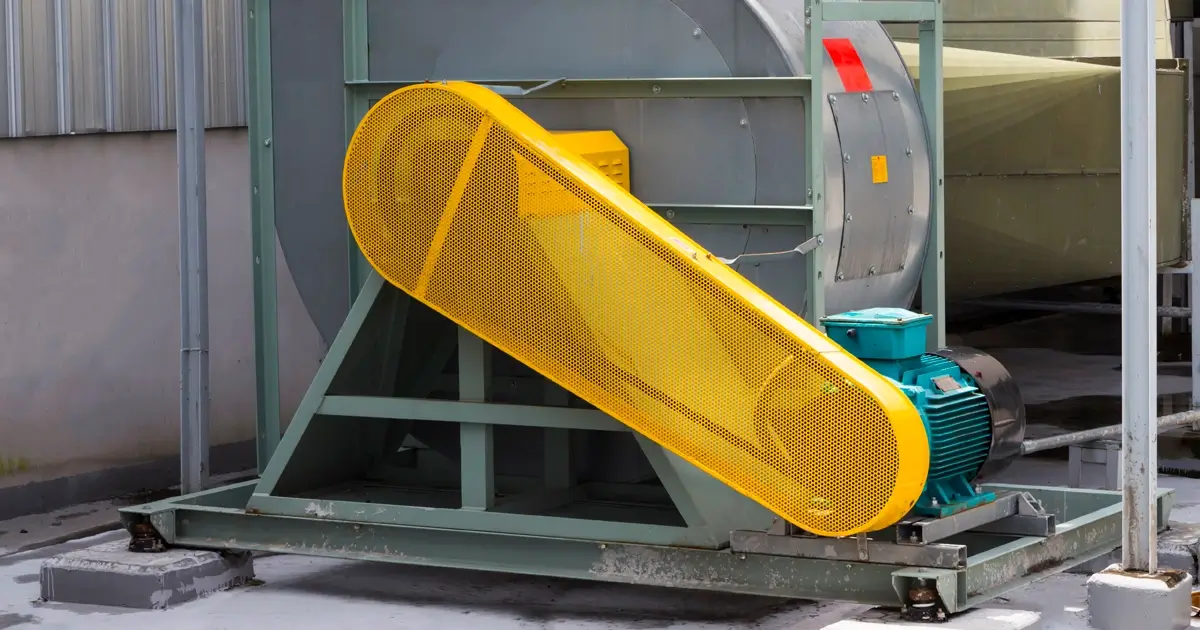
Prevent amputations and crush injuries by understanding OSHA guarding requirements and safe operations.
Price: $30
Enroll Now
Ergonomics
Office Ergonomics

Improve workstation setup and posture to reduce repetitive strain and musculoskeletal discomfort.
Price: $30
Enroll Now
Fall Protection
Personal Fall Arrest Systems
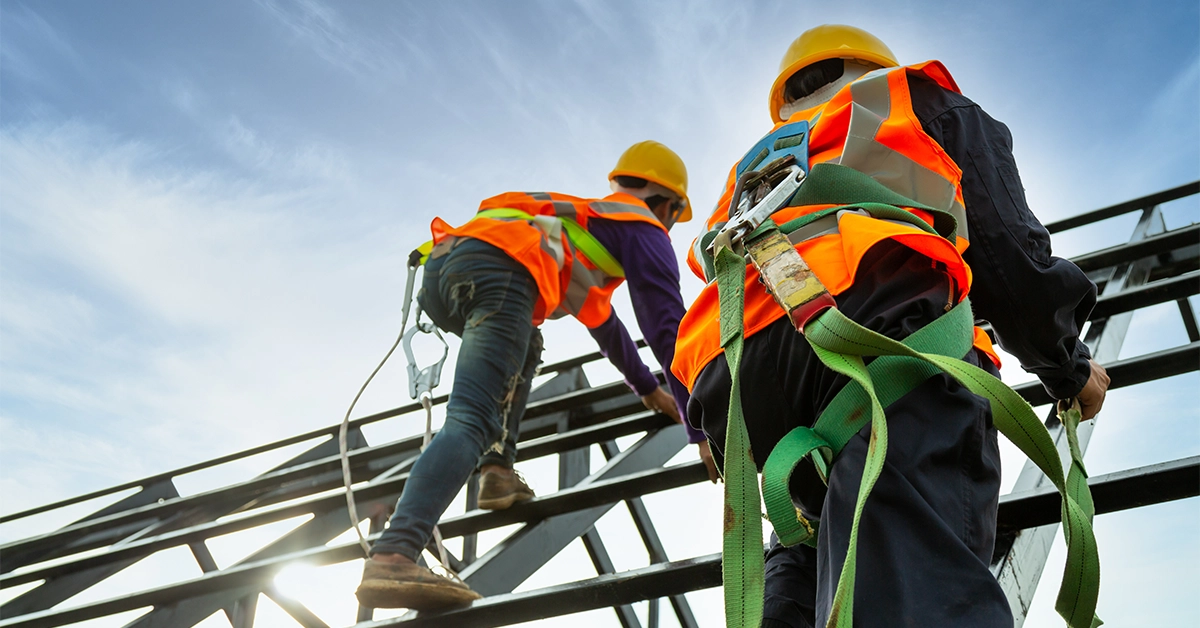
Learn inspection, fitting, and use of fall arrest systems to prevent serious injury from falls at height.
Price: $30
Enroll Now
Personal Protection
Personal Protective Equipment (PPE)
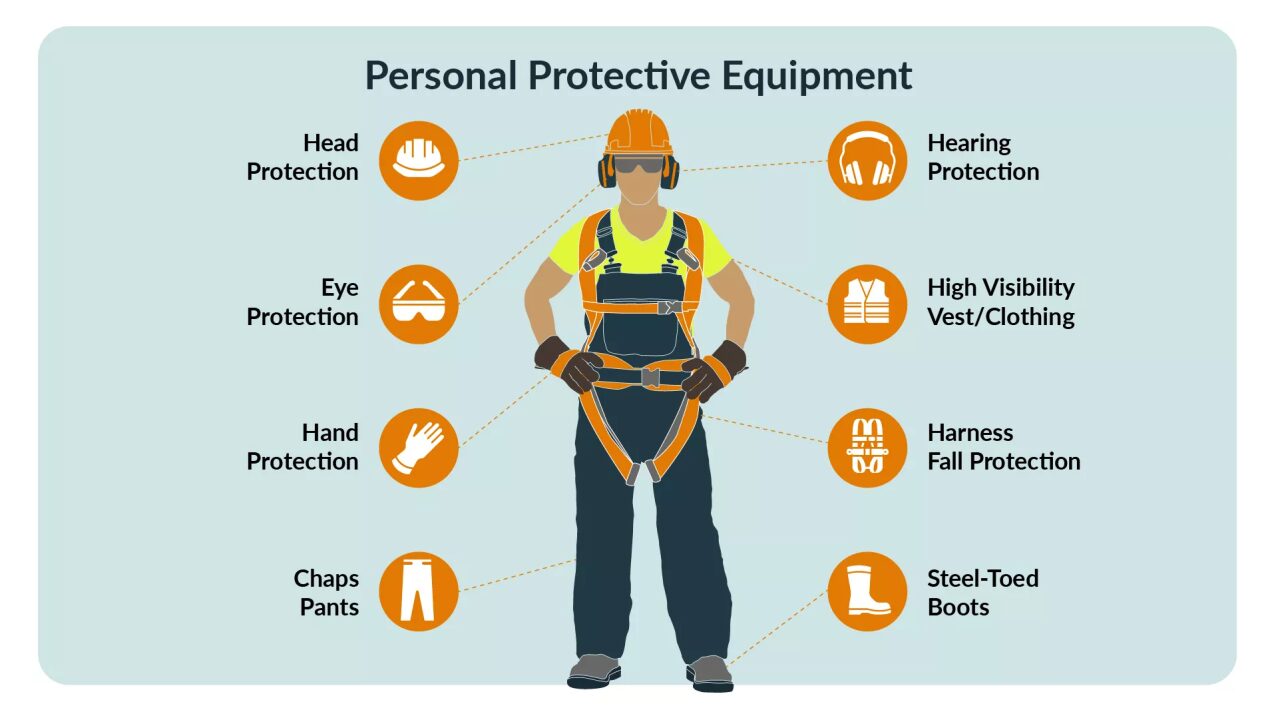
Understand PPE selection, fitting, and maintenance to reduce occupational injuries and exposure risks.
Price: $30
Enroll Now
Respiratory Safety
Respiratory Protection
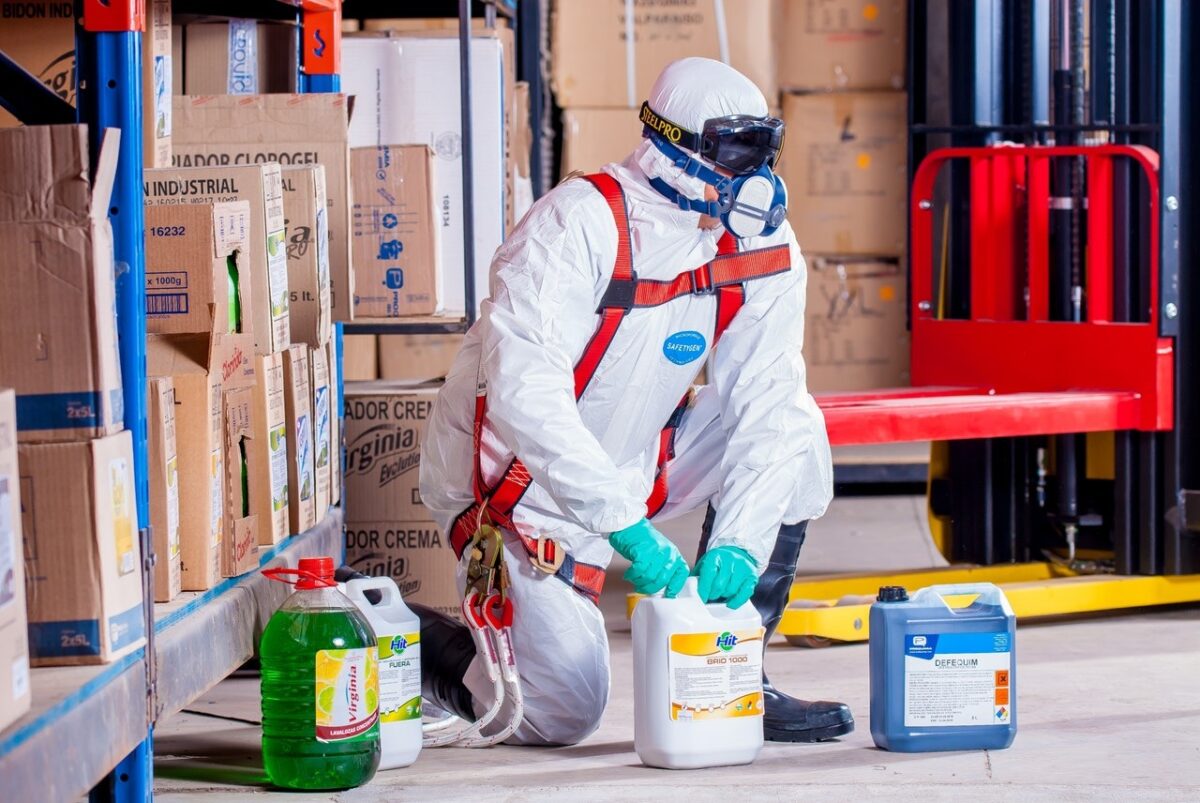
Teaches respirator selection, fit testing, and maintenance to protect workers from inhalation hazards.
Price: $30
Enroll Now
Injury Prevention
Slips, Trips, and Falls

Learn hazard awareness, safe flooring practices, and injury prevention strategies to avoid common incidents.
Price: $30
Enroll Now
Workplace Conduct
Sexual Harassment and Discrimination

Identify, prevent, and report workplace harassment and discrimination under federal and California law.
Price: $30
Enroll Now
Workplace Security
Violence in the Workplace

Learn recognition, prevention, and response strategies for workplace violence in professional environments.
Price: $30
Enroll Now
Need Training for Your Team?
These courses can support employee education across a range of workplace safety topics. Select the course you need above to view current enrollment options.